Hazlienor Mohd Hatta, Kamarul Imran Musa, Suhaily Mohd Hairon, Nik Mohd Hafiz Mohd Fuzi, Normaizura Mokhter, Norfaizah Sulaiman, Amutha Ayasamy, Rohani Ismail, Rohaidah Hashim, Jason Wei Jian Ng
Received March 25, 2026 Accepted August 9, 2026 Published online October 13, 2026
Objectives Nontyphoidal Salmonella (NTS) is a major cause of foodborne illness in Malaysia. Time-series modeling can characterize temporal patterns, although structural disruptions, nonlinear dynamics, and regional variability may affect model performance. This study aimed to characterize NTS seasonality in Malaysia, assess temporal stability, and explore model-based approaches for surveillance.
Methods Monthly laboratory-confirmed human NTS cases from national laboratory surveillance databases for 2018–2024 were analyzed using time-series models, including autoregressive integrated moving-average (ARIMA) models with Fourier terms and an exploratory hybrid ARIMA–long short-term memory (LSTM) model. Interrupted time-series analysis was used to assess structural stability. Anomalies were identified using 95% prediction intervals, and stratified modeling assessed regional heterogeneity.
Results NTS cases showed recurring annual seasonal patterns of moderate strength, with temporal variation over the study period. A significant decline occurred in March 2020 (β=−62.24 cases, p=0.001), followed by gradual recovery (β=2.71 cases/month, p<0.001), suggesting a marked coronavirus disease 2019 pandemic-related disruption and a subsequent positive post-intervention trend. The ARIMA(0,1,1)–Fourier (K=1) model outperformed conventional ARIMA, benchmark, and exponential smoothing models (root mean squared error, 42.9 vs. 51.37–108.79). The hybrid ARIMA–LSTM model provided modest additional improvement, particularly during high-case periods. Model-based anomaly detection identified deviations from expected patterns that coincided with documented outbreak-associated months. Regional heterogeneity in temporal dynamics suggested the need for surveillance strategies tailored to local epidemiological patterns.
Conclusion Parsimonious models captured most temporal patterns in NTS cases, with only modest gains from more complex approaches. Context-specific modeling strategies, model-based anomaly detection, and tiered surveillance frameworks may support more proactive NTS surveillance in Malaysia.
Objectives This study assessed changes in the visibility of the National Health Information Portal (NHIP), operated by the Korea Disease Control and Prevention Agency, across conventional search portals and generative artificial intelligence (AI) platforms.
Methods We analyzed 150 health-related keywords derived from NHIP traffic data, Daum search logs, and chronic disease categories across 7 platforms: Naver, Google, Bing, Daum, ChatGPT, Perplexity, and Gemini. Searches were conducted in September 2025 and February 2026; Gemini was assessed only in the second survey. NHIP exposure was defined as appearance within the top 10 organic search results, whereas AI citation was defined as explicit source attribution. Changes were tested using McNemar's test.
Results Organic search exposure for the NHIP increased on Naver (64.0% to 73.3%, p=0.018) and decreased on Bing (72.0% to 61.3%, p=0.021). AI-summary citation rates increased more substantially on Naver AI Briefing (8.0% to 62.7%, p<0.001), Bing AI Summary (6.7% to 44.7%, p<0.001), Google AI Overview (30.0% to 48.0%, p=0.001), and ChatGPT (16.7% to 38.0%, p<0.001). Gemini cited the NHIP for 96.0% of keywords. For dyslipidemia-related keywords (n=10), Google and ChatGPT showed no NHIP exposure, whereas Gemini cited the NHIP for all keywords.
Conclusion AI citation represents a new dimension of health information accessibility. To address visibility gaps and marked platform divergence, public health portals should implement a 3-level optimization strategy encompassing machine-readable infrastructure, AI-friendly content formatting, and continuous multi-platform monitoring.
Objectives This study described 10-year trends in the prevalence of 5 metabolic syndrome (MetS) components and examined age- and sex-specific patterns in the Republic of Korea using aggregated national health screening statistics from 2014 to 2023.
Methods This repeated cross-sectional study used publicly available aggregated data from the National Health Screening Statistical Yearbook of the National Health Insurance Service. Annual prevalence estimates were summarized overall and by age group and sex. Linear regression descriptively summarized temporal trends. Because of a marked reduction in examinees in 2018 and a discontinuity around the 2018–2019 transition, sensitivity analyses excluding 2018 were performed.
Results From 2014 to 2023, the prevalence of abdominal obesity increased from 21.0% to 25.5%, hyperglycemia from 34.7% to 40.1%, and hypertension from 42.3% to 45.1%. Hypertriglyceridemia and low high-density lipoprotein (HDL) cholesterol appeared to decrease over the same period but showed a marked discontinuity between 2018 and 2019. Prevalence generally increased across older age groups, particularly for hypertension and hyperglycemia. Men had a higher prevalence of 4 MetS components, whereas women had a higher prevalence of low HDL cholesterol.
Conclusion MetS components showed heterogeneous temporal, age-specific, and sex-specific patterns in Korean national health screening statistics. Increases in abdominal obesity and hyperglycemia support the need for earlier age- and sex-tailored cardiometabolic prevention, whereas apparent declines in lipid-related indicators should be interpreted cautiously due to the 2018–2019 discontinuity. Because this study used aggregated repeated cross-sectional data, individual-level longitudinal studies are needed to clarify cardiometabolic risk trends in the Republic of Korea.
Objectives The coronavirus disease 2019 (COVID-19) pandemic disrupted healthcare systems and may have influenced the direction of cancer research, particularly epidemiology and prevention research. However, empirical evidence regarding changes in research topics during the COVID-19 era remains limited.
Methods We analyzed 8,694 articles published from 2016 to 2025 in 3 journals using PubMed bibliographic data. Latent Dirichlet allocation topic modeling identified 10 thematic clusters. Differences in topic distributions between the pre-pandemic (2016–2019) and post-pandemic-onset (2020–2025) periods were assessed using the Pearson chi-square test and logistic regression. Interaction models assessed whether temporal changes differed among journals.
Results The overall distribution of topics differed significantly between the 2 periods (χ²=21.42, p=0.011). Logistic regression indicated modestly higher odds of classification as Topic 7, the representative topic of interest, during the 2020–2025 period (β=0.168, p=0.013; odds ratio≈1.18). Interaction analysis showed that this temporal change differed by journal: the interaction was significant for Cancer Epidemiology, Biomarkers & Prevention relative to the reference journal (British Journal of Cancer; β=−0.959, p<0.001) but not for European Journal of Cancer Prevention (p=0.269). Collectively, these findings indicate selective thematic reorientation rather than wholesale transformation of cancer research agendas, with changes varying according to journal scope and disciplinary focus.
Conclusion Cancer research topics shifted modestly during the COVID-19 era, with heterogeneous patterns among journals. These findings suggest that major global health crises may be associated with shifts in research agendas, although these changes may vary according to journal scope and disciplinary context.
Objectives To systematically review and meta-analyze the prevalence and genetic diversity of rotavirus A (RVA) in humans, animals, and environmental water samples in West Africa and to describe its geographic distribution and circulation patterns.
Methods PubMed, Scopus, Web of Science, African Journals Online, ScienceDirect, SpringerLink, JSTOR, clinical trial registries, and global health libraries were searched for observational studies published from January 1, 2010, to December 20, 2025, reporting molecular RVA genotyping data from West Africa. Two reviewers independently screened studies, extracted data, assessed risk of bias using the Joanna Briggs Institute and SYRCLE tools, and summarized genotype distributions narratively. Random-effects meta-analyses were used to estimate pooled prevalence by source category.
Results Fifty-four studies were included, comprising 21,532 samples and 2,080 RVA-positive cases. The overall pooled prevalence was 12.6% (95% confidence interval [CI], 9.9%–15.6%). Prevalence was highest in animals (19.77%; 95% CI, 5.4%–40.1%), followed by environmental water samples (14.81%; 95% CI, 3.5%–31.1%) and humans (11.37%; 95% CI, 9.0%–14.0%). Overall heterogeneity was very high (I²=97.1%). In human studies, G1P[8], G9P[8], and G2P[4] were among the most frequently detected and geographically widespread genotype combinations.
Conclusion RVA circulates widely in humans, animals, and environmental water samples across West Africa, although evidence is characterized by substantial heterogeneity, uneven geographic representation, and limited animal and environmental water data. These findings support integrated One Health surveillance, monitoring for genotype shifts, and stronger water, sanitation, and hygiene interventions.
Objectives Adequate physical activity is essential for promoting healthy life expectancy among older adults. Park accessibility is an important environmental determinant of physical activity and may support multimorbidity management in this population. However, evidence on the association between park accessibility and multimorbidity remains limited, particularly in nationally representative Korean samples. This study examined the association between park accessibility and multimorbidity among older Korean adults.
Methods This cross-sectional study analyzed data from 10,078 individuals aged ≥65 years who participated in the 2023 National Survey of Older Koreans. Multiple logistic regression was used to examine the association between park accessibility and multimorbidity after adjustment for covariates. Stratified analyses assessed this association by physical activity level, and additional logistic regression analyses evaluated associations between park accessibility and common chronic diseases.
Results The prevalence of multimorbidity among older adults was 64.8%. After adjustment for all covariates, older adults living 30–59 minutes’ walking distance from a park had higher odds of multimorbidity than those living <15 minutes from a park (adjusted odds ratio, 1.33; 95% confidence interval, 1.12–1.59). Among the common chronic diseases examined, hypertension was significantly associated with park accessibility.
Conclusion Greater park accessibility may support physical activity and green-space exposure and may thereby contribute to multimorbidity management and healthy life expectancy among older adults.
Objectives Cervical cancer remains a major public health challenge in India despite advances in prevention through human papillomavirus (HPV) vaccination and screening. Although national estimates indicate gradual declines, marked regional disparities persist, and coronavirus disease 2019–related disruptions may have affected recent disease trajectories. This study assessed long-term trends, post-pandemic deviations, and progress toward World Health Organization (WHO) elimination targets in South India.
Methods This population-based observational analysis used Global Burden of Disease Study 2023 estimates for women aged 30–69 years in South India from 1990 to 2023. Pre-pandemic trends and counterfactual projections were evaluated, and age-standardized incidence rates (ASRs) were descriptively compared with the WHO elimination threshold of ≤4 cases per 100,000 woman-years.
Results Age-standardized cervical cancer incidence and mortality declined until the early 2010s but remained above national and global rates. Thereafter, declines stagnated and reversed. In 2023, incidence ranged from 26.1 per 100,000 women in Kerala to 65.8 in Telangana; all states exceeded the WHO threshold based on these ASRs. Observed rates exceeded counterfactual projections, but uncertainty envelopes included zero for every location and outcome. Thus, the findings are consistent with possible post-pandemic disruption to cervical cancer services rather than statistically demonstrated excess burden, and this ecological comparison cannot establish causality. Disability-adjusted life-year rates were highest among women aged 50–69 years.
Conclusion South India appears to have experienced a recent loss of momentum in cervical cancer control. Strengthening HPV vaccination coverage, expanding screening, and improving the resilience of cancer prevention services are essential for accelerating progress toward elimination targets.
Objectives This study aimed to develop prevalence-informed post-release dengue control strategies for settings in which Wolbachia-carrying Aedes aegypti mosquitoes have become established through population replacement and to quantify how optimal supplementary intervention intensity and duration vary with adult Wolbachia prevalence, pW. Methods: A deterministic human–mosquito model was formulated that included Wolbachia-free and Wolbachia-carrying mosquitoes and incorporated cytoplasmic incompatibility, maternal transmission, and reduced vector competence. Two bounded supplementary controls were optimized over a 3-year horizon: reduction of effective human–mosquito contact and conventional adult mosquito suppression, represented by increased adult mortality. A quadratic-cost optimal-control problem was solved numerically using the Pontryagin maximum principle and a forward/backward sweep algorithm. Outcomes were compared across representative pW scenarios and prevalence scans. Results: The optimal policies applied high-intensity supplementary control early in the planning horizon and then relaxed control as infection pressure declined. Higher pW reduced the uncontrolled infection burden, decreased the incremental benefit of additional intervention, and shortened the duration of maximum control. In coarse scans with umax=0.30, the terminal dengue infection near-elimination indicator, defined as IH (T)≤10–4 at T=3 years, changed between pW=0.45 and pW=0.50 for all tested cost-weight combinations. A separate refined continuation example demonstrated non-monotonic mean control use and a sharp decrease in cumulative incidence. Conclusion: Adult Wolbachia prevalence measured through entomological surveillance may represent an actionable index for post-release dengue management. The identified transition band is a model-based planning indicator, not a universal field threshold or evidence of mosquito population elimination.
Objectives Chikungunya poses an increasing threat to people living in endemic areas and to travelers from non-endemic regions. This study descriptively characterized imported chikungunya cases in Japan and explored the relationship between local incidence in destination areas and infection risk among Japanese travelers.
Methods First, the descriptive features of imported chikungunya cases in Japan from 2011 to 2023 were examined. Second, monthly and yearly trends in the incidence of imported chikungunya cases among Japanese travelers were compared by destination with incidence in the corresponding destination country. Third, destination-specific incidence among Japanese travelers was compared between high- and low-transmission seasons in each destination country.
Results Of 155 imported chikungunya cases in Japan during 2011–2023, 112 (72.3%) were associated with travel to Myanmar, India, Indonesia, the Philippines, or Thailand. The yearly chikungunya importation rate among Japanese travelers returning from Indonesia and Thailand was correlated with the corresponding rate among local residents. The monthly incidence of imported cases during the high-transmission season was 12.3, 7.4, 12.0, and 4.0 times higher than that during the low-transmission season among travelers returning from Myanmar, India, Indonesia, and the Philippines, respectively.
Conclusion The risk of imported chikungunya infection among Japanese travelers reflected the local epidemiology of chikungunya in destination countries, including both seasonal and long-term patterns. Imported-case data may support risk assessment in destination countries and contribute to traveler-specific prevention, improved diagnosis, and a reduced risk of autochthonous outbreaks.
Objectives This study assessed the economic value of 2 major initiatives within the national infectious disease response system of the Korea Disease Control and Prevention Agency (KDCA): the Training Programs for Public Health Workforce (TPPHW) and the Infectious Disease Information System (IDIS). Methods: We developed a structured estimation model to quantify the economic benefits of pandemic preparedness investments and applied it to the KDCA’s TPPHW and IDIS. The model incorporated parameters elicited from 29 senior officials into a cost-benefit analysis (CBA) framework, from which we calculated the net present value (NPV) and benefit-cost ratio (BCR) over a 10-year period, with sensitivity analyses. Results: Both initiatives yielded positive net benefits under baseline assumptions, although the margin was substantially greater for workforce training than for the information system. At the assumed discount rate of 4.5%, the CBA yielded a BCR of 2.120 and an NPV of 27.2 billion Korean won (KRW) for TPPHW. For IDIS, the corresponding values were a BCR of 1.071 and an NPV of 2.7 billion KRW. Sensitivity analysis showed that workforce training remained economically justified across all scenarios, whereas the information system remained viable only under more favorable assumptions. Conclusion: This study contributes to the literature by systematically applying CBA to infectious disease preparedness in the Republic of Korea. The findings support continued investment in skilled workforce training and integrated information infrastructure for future pandemic preparedness. The study is limited by its reliance on expert-elicited parameters and its focus on monetary benefits, excluding health outcomes such as disability-adjusted life years and quality-of-life improvements.
Objectives This study investigated associations between building structure and managers’ knowledge, attitudes, and practices (KAP) regarding indoor air quality in welfare facilities for persons with disabilities, comparing facilities with and without coronavirus disease 2019 (COVID-19) cluster outbreaks. Methods: A web-based survey was conducted among managers of 242 welfare facilities for persons with disabilities in the Republic of Korea. Facilities were recruited from a national sampling frame of approximately 3,000 facilities, yielding a response rate of 8.1%. The 80-item questionnaire assessed building characteristics and air quality-related KAP scores. Logistic regression was used to identify factors associated with cluster outbreaks. Results: Of the 242 facilities, 50.8% had experienced cluster outbreaks. Facilities in complex/multi-use buildings had higher odds of outbreaks than those in detached buildings did (adjusted odds ratio, 2.21; 95% confidence interval, 1.25–3.91; p=0.006). For managerial factors, facilities with outbreaks tended to have lower attitude scores (p=0.02); however, this association did not remain statistically significant after Bonferroni correction (adjusted α=0.0083). No significant differences were observed in knowledge or practice scores. Conclusion: Building structure, particularly complex/multi-use configuration, was associated with COVID-19 cluster outbreaks. Managerial KAP scores were not definitively associated with outbreaks under the conservative significance threshold, but the observed trends suggest that institutional support, ventilation guidance, and practical training for facility managers may help strengthen future infection-prevention efforts.
Objectives Medication adherence remains a major challenge in the management of type 2 diabetes (T2D), especially in middle-income countries such as Morocco. With the rapid development of artificial intelligence, large language models, including ChatGPT, may offer new opportunities for clinical research through simulated patient profiles. This study examined the feasibility of using ChatGPT to generate culturally contextualized virtual profiles of Moroccan patients with T2D and to apply the validated Moroccan Arabic dialect version of the general medication adherence scale (GMAS). Methods: This exploratory pilot simulation study used ChatGPT-4 to generate 11 virtual profiles based on representative sociodemographic and clinical characteristics of Moroccan patients with T2D. Each profile was administered the validated Moroccan Arabic dialect version of the GMAS. Results: Four profiles (36.4%) showed high adherence, 6 (54.5%) displayed moderate adherence, and 1 (9.1%) exhibited low adherence. Expert evaluations were consistent, with all ratings ≥3 on a 4-point scale, supporting the credibility and cultural appropriateness of the profiles. The simulated patterns reflected real-world trends, with higher adherence among profiles treated with oral antidiabetic drugs, covered by health insurance, and having shorter disease duration, and lower adherence among profiles using insulin, lacking insurance, and having longer disease duration. Conclusion: ChatGPT generated credible, culturally adapted patient profiles that enabled application of a validated psychometric tool in a simulated environment. This rapid, low-cost approach may support exploratory research, healthcare training, and intervention design. Comparative studies using real patient data are needed to confirm validity.
Objectives This review aimed to synthesize recent advances in the understanding of emerging contaminants (ECs), including per- and polyfluoroalkyl substances, pharmaceuticals, personal care products, microplastics and nanoplastics, endocrine-disrupting chemicals, and engineered nanomaterials. It critically assessed their sources, environmental pathways, transformation mechanisms, and ecological and human health impacts, while identifying knowledge gaps and future research priorities.
Methods A systematic literature review was conducted according to the Preferred Reporting Items for Systematic Reviews and Meta-Analyses framework. Peer-reviewed research articles and critical reviews were retrieved from Scopus, Web of Science, and PubMed. Emphasis was placed on studies that used advanced analytical techniques, including high-resolution mass spectrometry, nuclear magnetic resonance spectroscopy, Fourier-transform infrared spectroscopy, and biosensor-based detection methods.
Results The findings indicated that ECs are characterized by high environmental persistence, complex transformation pathways, bioaccumulation, and trophic transfer potential. Reported impacts included endocrine disruption, genotoxicity, antimicrobial resistance, and ecological imbalance. Across global environmental compartments, these pollutants pose long-term risks to ecosystems and human health. Their distinctive partitioning behavior and environmental persistence challenge standard ecological assessment frameworks and underscore the need for comprehensive toxicological evaluations and robust regulatory oversight to mitigate long-term biological accumulation and adverse physiological effects in aquatic and terrestrial wildlife.
Conclusion This review highlights the urgent need for improved regulatory frameworks, standardized monitoring approaches, and sustainable remediation strategies for ECs. By integrating advanced analytical methods, computational tools, and circular economy principles, the review provides a timely contribution to environmental science and policy and supports informed decision-making for environmental protection and public health.
Citations
Citations to this article as recorded by
Micro- and nanoplastic pollution in wetland ecosystems: Ecological risks, health implications, and mitigation strategies toward a One Health future Van Giang Le, Minh-Ky Nguyen Environmental Pollution.2026; : 129329. CrossRef
Objectives This study examined associations between indoor total volatile organic compound (TVOC) concentrations and urinary volatile organic compound (VOC) metabolites in Korean adults, focusing on potential sex-specific differences. We hypothesized that higher indoor TVOC exposure would be associated with higher urinary VOC metabolite concentrations and that these associations would differ by sex.
Methods We conducted a cross-sectional analysis of the 2020–2021 Korea National Health and Nutrition Examination Survey, which included the Republic of Korea’s first population-based indoor air quality survey. The analysis included 1,859 adults aged ≥19 years who participated in the indoor air quality survey from July 2020 to August 2021. Indoor TVOC concentrations (µg/m³) were measured using standardized protocols. Nine urinary VOC metabolites were quantified, creatinine-adjusted, and log-transformed. Multivariable linear regression, sex-stratified analyses, and subgroup analyses among unemployed adults were performed to reduce potential confounding from occupational exposure.
Results Indoor TVOC concentrations were positively associated with urinary 2-methylhippuric acid (2-MHA; β=0.041; 95% confidence interval [CI], 0.029–0.052) and 3,4-MHA (β=0.040; 95% CI, 0.027–0.052), with no evident sex difference in the overall sample. However, among unemployed adults, sex-by-TVOC interaction terms were statistically significant for both metabolites, and associations were stronger in males for both 2-MHA (β=0.110 vs. 0.024) and 3,4-MHA (β=0.130 vs. 0.031) than in females.
Conclusion Indoor TVOC concentrations were associated with urinary VOC metabolites, particularly 2-MHA and 3,4-MHA. These findings support considering sex-specific patterns in VOC-related risk assessment and indoor air quality surveillance, interventions, and management.
The health care community has moved from emergency response models to sustained recovery models for the rehabilitation of post-acute sequelae of severe acute respiratory syndrome coronavirus 2 infection, commonly referred to as long COVID. This study aimed to provide a comprehensive bibliometric visualization and thematic analysis of global research output from 2020 to 2025 on rehabilitation interventions for long COVID and related post-viral disorders. The PubMed database was systematically searched to retrieve bibliometric records. VOSviewer and Biblioshiny were used to conduct a multidimensional analysis. Key metrics included annual scientific production, Lotka’s law for author productivity, Bradford’s law for core source identification, and country collaboration mapping. The life-cycle model (R2=0.929) indicated that the field evolved in a predictable pattern, with continuous and accelerated development. However, the projected stabilization should be interpreted as a description of initial growth rather than as definitive evidence of disciplinary maturity. Scientific output in this area increased sharply and peaked in 2024. Thematic visualization identified 3 broad thematic groupings. Lotka’s law indicated a dispersed and fragmented research community, with approximately 90% of authors contributing only 1 document. Physiotherapy research for long COVID has shifted from early pulmonary-centered approaches toward more interdisciplinary models focused on cognitive health and fatigue.
Objectives This study characterized multidrug-resistant (MDR) bacteria in sewage, river, and marine ecosystems in South Gujarat, India.
Methods Water samples were collected from 25 hospital drainage, sewage treatment/pumping, Tapi River, and coastal marine sites at multiple time points. From 270 screened colonies, 166 morphologically and biochemically distinct nonduplicate isolates were retained. Antimicrobial susceptibility was assessed, and isolates were classified as MDR, extensively drug-resistant (XDR), or pan-drug-resistant (PDR). Biofilm formation, metabolic activity, extracellular polymeric substance protein, heavy metal tolerance, extended-spectrum β-lactamase production, carbapenemase production, and metallo-β-lactamase activity were assessed phenotypically. Tapi River estuary water was used for taxonomic profiling and antibiotic resistance gene (ARG) detection.
Results The 166 isolates comprised 45 bacterial species, with clinically significant Gram-negative pathogens predominating, including Pseudomonas aeruginosa (n=24, 14.5%), Ochrobactrum intermedium (n=16, 9.6%), Stenotrophomonas maltophilia (n=15, 9.0%), and Escherichia coli (n=12, 7.2%). MDR phenotypes were detected in 80.1% of isolates; 18.1% were XDR, and 1.8% were PDR, with PDR isolates confined to river water samples. Biofilm formation was observed in 86.1% (n=143) of isolates, including 28.3% (n=47) strong, 24.7% (n=41) moderate, and 32.5% (n=54) weak producers. Extended-spectrum β-lactamase production was confirmed in 13.4% of Gram-negative isolates, and carbapenemase activity was detected in 11 isolates. Zinc and copper tolerance were significantly higher in XDR than in MDR isolates (p<0.05). Metagenomics identified efflux pumps as the dominant ARG class (36.2%), followed by target-site mutations (21.3%) and β-lactamases (14.9%), and detected blaCTX-M-15, blaTEM-207, gyrA, and parC.
Conclusion These interconnected aquatic systems represent important reservoirs for community-level antimicrobial resistance transmission.
Objectives This study investigated a large-scale foodborne outbreak caused by Staphylococcus aureus during a local festival in the Republic of Korea and performed genomic and molecular epidemiological analyses using whole-genome sequencing (WGS).
Methods Microbiological identification was performed using clinical, food, and environmental samples. Molecular characterization included pulsed-field gel electrophoresis (PFGE), multilocus sequence typing, and spa typing. WGS was conducted to evaluate clonal relatedness, virulence factors, and antimicrobial resistance genes.
Results A total of 141 suspected cases and 18 laboratory-confirmed cases were identified, and 24 S. aureus isolates were recovered (18 from patients, 3 from food samples, and 3 from environmental samples). All 17 isolates included in the genomic analysis carried the sea and sec genes and belonged to ST1-t321, with pairwise differences of 8–33 SNPs, supporting a clonal origin. These isolates exhibited a previously unreported PFGE pattern (STAS16.170) in the Republic of Korea. Virulence profiling identified hemolysin genes (hlgA, hlgB, hlgC), leukocidin genes (lukD, lukE), and immune evasion genes (sak, scn). In addition, all isolates were methicillin-susceptible and lacked mecA and mecC.
Conclusion This large-scale foodborne outbreak demonstrated that a single contaminated food source can result in widespread illness during mass gatherings. Genomic analysis clarified the clonal relatedness of the outbreak strains and highlighted the value of genomic surveillance for the early detection and prevention of S. aureus outbreaks.
Determining exactly what the next pandemic will be is complex, However, by studying some common characteristics of previous viral pandemics, we can predict the general characteristics of the next pandemic. Here, we will explore next pandemic features, reviewing the past pandemics that have afflicted humanity and the factors that might make one viral pathogen more likely than others to cause a future pandemic. There are many factors that accelerate the occurrence of pandemics, including climate change, intensive human interaction in our modern world, and the threat to natural environments of viral reservoirs. By studying a set of requirements, the most important of which is that the virus be transmitted through respiration and air, and that it be able to be transmitted between humans, as well as its ability to undergo genetic mutations, we have identified a specific set of viruses that could potentially turn into future pandemics.
Objectives We examined national temporal trends, laboratory-confirmation performance, and climate associations in Lassa fever surveillance in Nigeria from 2020 to 2025, and assessed the impact of the coronavirus disease 2019 (COVID-19) pandemic on surveillance metrics. Methods: We analyzed 307 consecutive weeks of national Lassa fever surveillance data using an ecological study design. Primary outcomes included confirmed-case counts, case fatality rate (CFR), and laboratory-confirmation rate (LCR). Temporal trends were evaluated using regression models, climate associations using correlation and negative binomial regression analyses, and the impact of COVID-19 using interrupted time-series analysis. Results: Overall, 47,029 suspected cases, 6,288 confirmed cases, and 975 deaths were reported. The mean LCR was 11.2% (standard deviation, 7.2%), declining from 18.4% in 2020 to 9.9% in 2025 (p <0.001). The overall CFR was 15.5%, with no significant downward trend over time. Confirmed cases were inversely associated with weekly rainfall (rs=−0.589, p <0.0001) and positively associated with mean temperature (rs=0.462, p<0.0001). Peak season incidence was 5.3-fold higher than that during off-peak periods. The COVID-19 lockdown period was associated with an immediate reduction in confirmed cases without a corresponding reduction in suspected cases. Conclusion: Lassa fever surveillance in Nigeria from 2020 to 2025 was characterized by a declining LCR, persistently elevated CFR, and a climate-linked seasonal pattern of increasing intensity, findings that are consistent with, but do not definitively establish, systemic underascertainment. CFR trends may partly reflect case-mix variation and detection bias. Because of the ecological study design, causal inferences cannot be drawn. These findings underscore the need for resilient, climate-informed, One Health surveillance systems.
Objectives This study evaluated the epidemiological burden and temporal trends of mental disorders in Vietnam from 1990 to 2023 and projected the future burden through 2040. Methods: Global Burden of Disease Study 2023 data were used to analyze the age-standardized prevalence rate (ASPR), age-standardized incidence rate (ASIR), and age-standardized disability-adjusted life-year rate (ASDAR) by age, sex, and diagnostic subtype. Temporal trends were quantified using the estimated annual percentage change (EAPC), and Pearson correlation analysis examined associations with Vietnam’s human development index (HDI). Bayesian structural time series (BSTS) models were used to forecast the burden through 2040. Results: In 2023, approximately 9.1 million individuals in Vietnam had mental disorders, with 2.94 million annual incident cases and 1.41 million disability-adjusted life-years. Depressive disorders ranked highest across all metrics, and females consistently had higher agestandardized rates than males. Age-standardized rates increased significantly from 1990 to 2023: ASIR, 1.10% EAPC (95% confidence interval [CI], 0.87%–1.33%); ASPR, 0.27% EAPC (95% CI, 0.21%–0.33%); and ASDAR, 0.52% EAPC (95% CI, 0.46%–0.58%). Mental disorder burden was strongly positively correlated with HDI (r =0.773–0.909, all p<0.001). BSTS models projected continued increases through 2040 (ASPR, 9,003.75; ASIR, 3,307.11; ASDAR, 1,408.05 per 100,000 population). Conclusion: Mental disorders constitute an escalating public health challenge in Vietnam, with the burden increasing steadily over 3 decades and projected to continue rising through 2040. Reorientation toward an integrated, community-based care model, alongside targeted workforce expansion and systematic integration of mental health services into primary care, is essential to mitigate this growing burden.
Objectives This study examined the association between lifestyle inflammation score (LIS) and health-related quality of life, assessed using the EuroQol-5 Dimensions (EQ-5D) index, among adults in the Republic of Korea. It also evaluated whether depressive symptoms moderated this association. Methods: Data from the 2024 Community Health Survey were analyzed, and 231,386 adults were included. LIS was calculated by integrating smoking, alcohol consumption, physical activity, and body mass index. The dependent variable, quality of life, was assessed using the EQ-5D index. Depressive symptoms, the moderator variable, were assessed using the Patient Health Questionnaire-9, with a score of ≥10 indicating depressive symptoms. Data were analyzed using complex-sample multivariable linear regression to examine interaction effects according to depressive symptom status, followed by simple-slope analyses. Results: After adjustment for demographic and health-related variables, LIS was significantly and negatively associated with the EQ-5D index (β= –0.0069, p< 0.001), indicating that higher levels of inflammation-related lifestyle behaviors were associated with poorer quality of life. Depressive symptoms significantly moderated the association between LIS and the EQ5D index (β= –0.01727, p< 0.001). Simple-slope analyses showed that the adverse association between LIS and quality of life was stronger among individuals with depressive symptoms (β= –0.02349) than among those without depressive symptoms (β= –0.00621). Conclusion: Inflammation-related lifestyle behaviors were associated with reduced quality of life, and this negative association was stronger among individuals with depressive symptoms. These findings suggest that considering both lifestyle-related inflammatory burden and depressive symptoms may help explain population-level differences in quality of life.
Objectives This study examined the predictive role of child health problems and social determinants in postpartum depression (PPD), with the aim of supporting early screening strategies and more comprehensive maternal health policies. Methods: This cross-sectional study used secondary data from the 2023 Indonesia Health Survey, conducted by the Indonesian Ministry of Health. The analysis included 26,656 postpartum women aged at least 15 years who had given birth within the previous 24 months. PPD was assessed using the Mini International Neuropsychiatric Interview. Multiple logistic regression was used to analyze the data. Results: Child health problems were among the strongest factors associated with PPD in Indonesia. Having had an unplanned pregnancy was associated with higher odds of PPD (adjusted odds ratio [aOR], 3.90; 95% confidence interval [CI], 2.90–5.25; p < 0.001), as was having a child with chronic illness (aOR, 2.30; 95% CI, 1.01–5.26; p= 0.048). Social risk factors, including younger maternal age, divorce or separation from a partner, unemployment, and lack of social support, were also associated with PPD in Indonesia. Conclusion: Child health problems and adverse social conditions were significantly associated with postpartum mental health in Indonesia. Integrating early screening into maternal and child health services and strengthening maternal support systems may help reduce the burden of PPD.
Monkeypox disease, now commonly referred to as mpox, was once considered a geographically restricted zoonotic disease but has emerged as a global public health concern. The 2022 multinational outbreak marked a turning point, with notable shifts in transmission dynamics, affected populations, and clinical manifestations. Classical cases typically involve fever, lymphadenopathy, and a centrifugal vesiculopustular rash; however, recent outbreaks have revealed atypical presentations, including genital and perianal lesions, minimal or absent prodromal symptoms, and asynchronous rash evolution. These variations have complicated early clinical recognition and may contribute to delayed diagnosis and onward transmission. This review synthesizes current evidence on the evolving epidemiology of mpox, highlights differences between endemic and non-endemic outbreaks, and describes the full spectrum of typical and atypical clinical features. It also assesses diagnostic approaches, including molecular and point-of-care techniques, and evaluates the efficacy and limitations of current and emerging vaccines, such as JYNNEOS and ACAM2000. Future priorities include improving global surveillance, refining case definitions, expanding diagnostic access, and ensuring equitable vaccine distribution. Understanding the expanding clinical and epidemiological profile of mpox is essential for timely diagnosis, containment, and preparedness against future outbreaks.
Objectives Kudoa septempunctata is a marine myxosporean parasite implicated in seafood-borne acute gastroenteritis, predominantly associated with the consumption of raw olive flounder. This study aimed to characterize the molecular and genetic features of K. septempunctata-associated with foodborne outbreaks in the Republic of Korea from 2016 to 2024. Methods: We reviewed 415 suspected foodborne outbreaks reported through national surveillance between 2016 and 2024. Among these, 37 outbreaks with complete clinical, epidemiological, and laboratory data from 2020 to 2024—including K. septempunctata testing and genotyping—were analyzed in detail. Results: Diarrhea (88.8%) and vomiting (61.2%) were the most common symptoms. The detection rate of K. septempunctata was significantly higher in specimens collected ≤24 hours after raw fish consumption (69.8%) than in those collected > 24 hours after consumption (35.9%). Outbreak occurrence was higher during warmer months (May–October) than during other periods, although this difference was not statistically significant. All sequences obtained from patient specimens belonged to sequence type 3 (ST3) of K. septempunctata. Conclusion: Since 2020, the proportion of reported outbreaks associated with Kudoa has increased, indicating its continued public health relevance. The timing of specimen collection is a key determinant of K. septempunctata detection, as diagnostic yield declines significantly when specimens are collected more than 24 hours after exposure. These findings highlight the need for standardized rapid investigation protocols and an integrated surveillance system linking clinical data with seafood supply-chain information.
Objectives Climate variability, particularly ambient air temperature, is an emerging environmental determinant of blood pressure (BP); however, evidence from tropical lowand middle-income countries (LMICs) remains limited. We examined associations between monthly average ambient temperature with systolic BP (SBP) and diastolic BP (DBP) among adults in Bogor City, Indonesia. Methods: This longitudinal cohort analysis used secondary data collected between 2011 and 2018 from 1,648 participants with repeated BP measurements (19 assessments over 6 years). Average ambient temperature data were matched to the month of BP measurement. Generalized estimating equations models were used to assess the association between temperature and BP after adjustment for age, sex, education, and socioeconomic status. Results: Mean ambient temperature ranged from 24.6 °C to 28.9 °C. SBP varied more than DBP and tended to increase as ambient temperature decreased. The overall main effect of temperature on BP was not statistically significant. However, several visit-specific temperature–time interactions were negative and significant, suggesting inverse patterns between lower temperatures and higher SBP or DBP. Marginal effects plots demonstrated time-varying associations, with predicted SBP and DBP differences of approximately −4 to + 3 mmHg across follow-up visits at representative temperatures. Socioeconomic status and education were associated with SBP, whereas age and female sex were associated with DBP. Conclusion: Temperature variations were associated with time-varying BP changes among adults with hypertension in Bogor City during 2011–2018. Although the main temperature effect was non-significant, temperature–time interactions suggested modest inverse patterns within clinically plausible ranges. These findings support the need for updated, multi-site studies in tropical LMIC settings.
Objectives Scrub typhus, an acute disease caused by Orientia tsutsugamushi and transmitted by larval chigger mites, is a representative autumn febrile illness in the Republic of Korea. We examined epidemiological characteristics underlying spatial heterogeneity in Busan Metropolitan City to inform region-specific prevention and control policies. Methods: We analyzed 1,645 confirmed and suspected scrub typhus cases reported in Busan from 2019 to 2023. Crude incidence rates and age-standardized incidence rates (ASIRs) per 100,000 population were calculated using the 2021 mid-year population. The chi-square test assessed associations between disease occurrence and exposure activities within the preceding 30 days. Correlation analyses examined the relationships of ASIR with environmental indicators, including per capita urban forest area, and epidemiological indicators, including prior infectious disease education. Results: The overall mean ASIR in Busan was 8.35 per 100,000 population, below the national average. However, incidence was higher in peri-urban districts, including Gijang-gun (26.12/100,000) and Gangseo-gu (15.02/100,000), than in central urban districts such as Junggu (2.20/100,000). Higher incidence was observed among women and older adults (≥60 years). ASIR correlated strongly with per capita urban forest area (r=0.92; 95% confidence interval, 0.79–0.97; p<0.001). Regional differences were significant for agriculture/forestry, gardening, and general outdoor activities (p<0.001). Districts with higher incidence also displayed higher rates of infectious disease education, although this may reflect reverse causation. Conclusion: In Busan, scrub typhus incidence was concentrated in peri-urban districts. These findings support region-specific prevention strategies, evaluation of infectious disease education, enhanced mite surveillance, and practical protective measures during fieldwork.
Objectives This scoping review synthesizes molecular evidence on Plasmodium genetic diversity and multiplicity of infection (MOI) in Southeast Asia and describes variation by species and epidemiological setting. Methods: Following Preferred Reporting Items for Systematic Reviews and Meta-Analyses Extension for Scoping Reviews guidelines, we searched PubMed, Scopus, ProQuest, and EBSCO for English language, open-access observational studies published between January 1, 2015 until October 11, 2025. Included studies involved laboratory-confirmed human malaria and reported MOI and genetic diversity data derived from appropriate molecular genotyping methods. Findings were summarized by species, geography, markers, and clinical categories. Results: Sixteen studies were included, comprising 1,609 genotyped Plasmodium falciparum infections, 1,526 Plasmodium vivax infections, 37 Plasmodium malariae infections, and 188 human Plasmodium knowlesi infections. P. falciparum exhibited marked heterogeneity, with polyclonal infection rates ranging from 3.9% to 73.9% and mean MOI ranging from 1.05 to 4.9. P. vivax consistently showed high diversity, with polyclonal infection rates ranging from 16.9% to 71.4% and mean MOI ranging from 1.1 to 1.91, alongside expected heterozygosity values of 0.66–0.87. P. malariae displayed low MOI, whereas P. knowlesi showed polyclonal infection rates ranging from 7.3% to 21% and mean MOI ranging from 1.04 to 1.06. No data were available for Plasmodium ovale. Conclusion: P. falciparum and P. vivax remain genetically diverse across Southeast Asia, with heterogeneous transmission patterns, particularly in border regions. Limited data on P. malariae, human P. knowlesi, and P. ovale highlight the need for standardized molecular surveillance to support targeted elimination efforts.
Objectives This study examined the social and behavioral factors influencing community leaders’ participation in community-based surveillance (CBS) of infectious diseases. We hypothesized that knowledge, attitudes, and perceptions significantly predict the behavioral likelihood of engaging in CBS activities. Methods: A cross-sectional study was conducted among 470 schoolteachers in Kelantan, Malaysia, from March to June 2024. Participants were selected using multistage sampling, with random selection of schools followed by convenience sampling of teachers. Data were collected using the validated KAP-CBS-ID questionnaire, which was based on the Theory of Reasoned Action and Health Belief Model. Structural equation modeling was used to analyze relationships among the study variables with the maximum likelihood robust estimator. Results: The final model demonstrated good fit (comparative fit index, 0.921; standardized root mean square residual, 0.071; root mean square error of approximation, 0.040 [90% confidence interval, 0.036–0.044]). Ten significant path relationships were identified, explaining 46.1% of the variance in behavioral likelihood. Knowledge of infectious diseases (β=0.419, p<0.001), subjective norms (β=0.235, p=0.038), and negative attitudes (β=–0.432, p<0.001) significantly influenced intention. Behavioral likelihood was directly predicted by intention (β =0.347, p<0.001), perceived susceptibility (β=0.310, p<0.001), perceived benefits (β=0.198, p=0.001), and perceived barriers (β=–0.132, p=0.008). Self-efficacy showed significant indirect effects through perceived benefits (β=0.785, p<0.001) and perceived susceptibility (β=0.765, p<0.001). Conclusion: Knowledge and psychosocial factors significantly inf luence community engagement in CBS of infectious diseases. Public health interventions should address these interconnected determinants to strengthen early disease detection and reporting systems.
Autoimmune diseases are caused by dysfunction of the immune system, leading to inappropriate attacks on healthy tissues. Because patients have diverse genetic predispositions and heterogeneous responses to therapy, personalized medicine (PM) offers an opportunity to improve treatment effectiveness. PM uses diagnostic assessments to tailor treatment through individualized medical interventions. PM may improve therapeutic precision beyond traditional trial-and-error approaches, reduce adverse consequences, and improve outcomes by integrating genomic and transcriptomic data. PM considers genetic and molecular landscapes, immunologic factors, epigenetic influences, and environmental exposures to assess treatment response. However, challenges remain related to diagnostic access, the slow pace of biomarker identification, technological limitations, sustained patient engagement, data management, and computational requirements. Nevertheless, continued efforts to improve understanding of disease pathophysiology, gene expression, and immune regulation—together with the application of novel technologies and machine learning—may advance PM-based therapies. Additional opportunities include drug–target modeling and exploratory singlecell–based approaches to clarify patient-specific therapeutic mechanisms. This review briefly introduces the potential of PM for type 1 diabetes, rheumatoid arthritis, and multiple sclerosis.
Objectives Cases of nosocomial carbapenem-resistant Klebsiella pneumoniae (CRKP) have been increasing steadily since the 1990s. In this study, we sought to assess CRKP clonal diversity and patterns of dissemination at Hospital Canselor Tuanku Muhriz (HCTM), a tertiary university hospital located in Kuala Lumpur, Malaysia. Methods: From January 2022 to December 2023, all CRKP isolates from HCTM were included in the investigation. Associated patient demographic data and clinical histories were retrieved from hospital records. Antibiotic susceptibility data for the collected isolates were obtained from the HCTM diagnostic laboratory. Molecular typing was performed using enterobacterial repetitive intergenic consensus polymerase chain reaction (ERIC-PCR) to identify genetic clusters. Based on ERIC-PCR clustering results and epidemiological investigations, selected CRKP isolates were subjected to whole-genome sequencing (WGS) to validate clonal relatedness, identify antimicrobial resistance genes, and establish phylogenomic relationships. Results: During the study period, a total of 147 CRKP isolates were recovered from various wards across HCTM. All isolates exhibited resistance to imipenem, meropenem, or ertapenem, with 124 isolates confirmed as carbapenemase producers. ERIC-PCR identified 24 genetic clusters disseminated across 23 wards within HCTM. Twelve CRKP isolates were selected for WGS based on integrated epidemiological investigation and ERIC-PCR genotyping; sequence typing revealed ST17 as the dominant circulating CRKP lineage in the intensive care unit, ward 6E, and possibly across the hospital. The carbapenemase gene bla_NDM was detected in all WGS-analyzed CRKP isolates. Conclusion: Integrating epidemiological investigation, phenotypic testing, molecular typing, and WGS is essential to understand resistance dynamics, map transmission, and guide hospital infection prevention strategies.
Objectives Klebsiella pneumoniae is a leading cause of hospital-acquired infections. Its increasing prevalence poses substantial challenges to both hospital and public health systems due to the emergence of multidrug-resistant strains. Understanding the epidemiology of K. pneumoniae and its antimicrobial resistance characteristics may support antimicrobial stewardship and infection control programs. A cross-sectional study was conducted from June to November 2025. Methods: A total of 62 isolates underwent phenotypic identification and antimicrobial susceptibility testing using the BD Phoenix system (Becton Dickinson), followed by molecular detection of K. pneumoniae and efflux pump genes. Sanger sequencing was performed on isolates positive for the tolC gene. Results: Among the isolates, 66.1% were classified as extended-spectrum β-lactamase (ESBL) producers, 6.5% as carbapenem-resistant Enterobacterales (CRE), and 6.5% as both ESBL and CRE producers. Most clinical isolates were resistant to ampicillin, cefazolin, ceftazidime, ceftriaxone, ciprofloxacin, and cefepime. The acrAB and tolC genes were detected in all 62 isolates. One isolate showed a genetic profile similar to that of the K. pneumoniae KP 52.145 strain. Conclusion: This study demonstrated a high prevalence of antibiotic resistance among K. pneumoniae isolates and confirmed the presence of efflux pump genes, including tolC, with observable genetic variability. Further investigation of tolC gene evolution is essential, as these genes play critical roles in antibiotic resistance mechanisms.
Objectives This study evaluated the EuroQol 5-dimensional questionnaire, 3-level version (EQ5D-3L), using Korea Health Panel (KHP) data by examining its factor structure, measurement invariance across gender and age groups, and longitudinal measurement invariance. Methods: Panel 1 data from the second survey year (2009), when the EQ-5D-3L was first introduced in the KHP, through the 12th year (2017) were analyzed, along with panel 2 data from 2019 to 2021. Confirmatory factor analysis and measurement invariance tests by gender and age groups were conducted within each period. Longitudinal measurement invariance was also evaluated for each period. Results: A 1-factor model demonstrated good fit for the EQ-5D-3L. In panel 1, full measurement invariance across gender and age groups was supported. In panel 2, partial invariance was achieved after relaxing constraints on item 5. Longitudinal measurement invariance was supported over 5- and 10-year intervals in panel 1 and over a 3-year interval in panel 2, indicating temporal stability of the measurement model. Conclusion: The EQ-5D-3L used in the KHP panel 1 and panel 2 datasets demonstrates a stable 1-factor structure and acceptable measurement invariance across key subgroups and over time. These findings support the use of the EQ-5D-3L as an appropriate instrument for assessing health-related quality of life among Korean adults and for longitudinal analyses within large-scale panel surveys.
Objectives This scoping review aimed to examine the impact of climate change on the health of older adults and to evaluate existing interventions targeting this population. Methods: The review followed Arksey and O’Malley’s framework and the PRISMA-ScR guidelines. A comprehensive search was conducted across PubMed, Google Scholar, Scopus, and Web of Science. Eligible studies included those focusing on adults aged 60 years and older that examined the physical and mental health impacts of climate change across any geographic setting or level of care. Descriptive and thematic analyses were performed to identify key findings and knowledge gaps. Results: Climate change adversely affects the physical and mental health of older adults through increased exposure to infectious diseases, extreme temperatures, and poor air and water quality. Older adults are particularly vulnerable to heat-related illnesses, cardiovascular events, and respiratory conditions, with women and individuals with comorbidities at higher risk. Climate change is also associated with increased anxiety, insomnia, and other mental health concerns in this population. Social support and targeted interventions—such as community awareness programs and subsidized cooling costs—are associated with reduced risk. Community-based initiatives have demonstrated potential in reducing mortality and enhancing resilience among older adults during extreme weather events. Conclusion: Healthcare professionals should be educated about climate-related health outcomes affecting older adults. Protecting this vulnerable population requires urgent, inclusive, and targeted strategies, including education, improved healthcare access, and tailored interventions.
Objectives In alignment with the World Health Organization’s goal of eliminating hepatitis C, this study assessed the current treatment status and reasons for non-treatment among patients with hepatitis C in Jeonbuk State, Republic of Korea, to inform strategies for improving care engagement.
Methods Among 311 individuals diagnosed with hepatitis C and reported through the National Notifiable Infectious Disease Surveillance system between January 2023 and June 2024, 208 patients were surveyed after excluding those who had died or could not be contacted. Statistical analyses included the chi-square test, the Cochran-Armitage test for trend, and logistic regression.
Results Overall, 116 participants (55.8%) reported having received antiviral therapy. Among the 92 untreated individuals, the most common reason for non-treatment was the absence of symptoms (n=23; 25.0%), followed by the burden of drug costs (n=21; 22.8%).
Conclusion These findings highlight suboptimal treatment uptake and key barriers that may hinder progress toward hepatitis C elimination. Expanding screening and strengthening linkage-to-care strategies, while addressing financial barriers, will be essential to achieving national elimination targets.
Objectives Patients receiving hemodialysis (HD) are at increased risk of acquiring hepatitis B virus (HBV) and hepatitis C virus (HCV) due to repeated blood exposure, vascular access procedures, and blood transfusions. The study aimed to determine the seroconversion rates of HBV and HCV among patients undergoing dialysis and to identify associated risk factors.
Methods A total of 220 adult patients receiving dialysis who were seronegative for hepatitis B surface antigen (HBsAg) and anti-HCV antibodies at baseline were enrolled. Serologic testing was repeated at 6 months.
Results Sixteen patients (7.3%) seroconverted to HBsAg positivity, and 23 (10.5%) seroconverted to anti-HCV positivity. HBV seroconversion was significantly associated with multiple dialysis center visits. HCV seroconversion was significantly associated with dialyzer reuse, multiple dialysis center visits, and dialysis duration ≥2 years. Elevated liver enzyme levels were strongly correlated with seroconversion for both viruses.
Conclusion HBV and HCV seroconversion remain concerns in HD units. Standardized infection control practices, minimization of patient transfers, and strict adherence to national guidelines are essential to reducing risk.
Objectives This study investigated a cluster of secondary human-to-human transmission of severe fever with thrombocytopenia syndrome (SFTS) in a hospital setting, focusing on infection risk factors and the role of personal protective equipment (PPE).
Methods A descriptive epidemiological investigation was conducted following the death of an index patient with laboratory-confirmed SFTS. A total of 27 close contacts, including healthcare workers and a funeral director, were monitored for symptoms. Suspected cases underwent real-time reverse transcription polymerase chain reaction testing. Clinical features, PPE use, and exposure histories were analyzed. The Fisher exact test was used to assess associations between PPE use and infection. Viral genotyping and sequence analyses were performed to evaluate transmission routes.
Results The index patient deteriorated rapidly and died after repeated cardiopulmonary resuscitation (CPR), during which 8 secondary cases occurred. Most infections were identified among individuals involved in CPR or postmortem care without adequate PPE. Although not statistically significant, infection rates were higher among those who did not wear masks or who used low-filtration masks. Proper use of gloves, gowns, and goggles was associated with lower infection rates. Cycle threshold values in secondary cases (range, 34–39) were higher than in the index case (14.07), suggesting lower viral loads. Sequence analysis demonstrated 99.6%–100% homology between the index and secondary cases; all isolates were genotype B, indicating direct transmission.
Conclusion This study provides molecular and epidemiological evidence of nosocomial SFTS transmission. Inadequate PPE use during aerosol-generating procedures likely facilitated infection, underscoring the importance of strict adherence to PPE protocols and reinforced infection control practices.
Citations
Citations to this article as recorded by
Severe fever with thrombocytopenia syndrome complicated by invasive pulmonary aspergillosis and septic shock: a case report highlighting the role of mNGS Bolin Wang, Mingyue Zhao, Qingfeng Chen, Feihu Zhang, Mingzhi Fan, Xinbao Lian Frontiers in Medicine.2026;[Epub] CrossRef
Objectives Artificial intelligence (AI) is reshaping healthcare by improving diagnosis and treatment planning, increasing operational efficiency, and streamlining administrative workflows. This paper integrates findings from an extensive PubMed search (2015–2025) with bibliometric analysis using RStudio and VOSviewer to investigate the comparative applications of AI methods in healthcare, collaborative networks, and emerging trends.
Methods A total of 1,243 records were identified through the PubMed search, and after removal of 143 duplicates, 1,100 records were screened. Following full-text assessment and exclusion of ineligible studies, 986 articles were included in the final bibliometric analysis.
Results The main research areas included robotic-assisted surgery, predictive analytics, diagnostic imaging, and precision medicine, with particular emphasis on the prevalence of machine learning and deep learning in imaging and the increasing application of natural language processing to unstructured medical information.
Conclusion The review emphasizes the need for greater budgetary allocation to scalable and pragmatic AI technologies and for interdisciplinary cooperation among researchers, industry, and healthcare providers. Despite this growth, challenges such as algorithmic bias, data integration, and ethical concerns persist. The paper also highlights the importance of equitable collaboration, accountable AI, and multinational partnerships in ensuring that AI can be used ethically and efficiently in healthcare over the long term to improve patient care and biomedical innovation. It does so by mapping international and regional trends, identifying the most influential authors, institutions, and funding sources, and evaluating methodological approaches.
Objectives This systematic review aimed to identify perinatal risk factors associated with obesity in children aged ≤5 years.
Methods This studyfollowed the Preferred Reporting Items for Systematic Reviews and Meta-Analyses guidelines. Medline (via PubMed), Embase, and Cochrane CENTRAL were searched from inception, without language or date restrictions. In addition, gray literature sources, including LILACS and CNKI, were screened for comprehensive evidence synthesis. Meta-analyses were conducted to estimate pooled risk ratios. Study quality was independently assessed by 2 reviewers using the Joanna Briggs Institute critical appraisal tool.
Results A total of 24,643 articles were screened, and 39 cohort studies were included in the final analysis. Sample sizes ranged from 169 to 333,353 participants. Meta-analysis results indicated that high gestational weight gain (adjusted risk ratio [aRR], 1.46; 95% confidence interval [CI], 1.17–1.82), history of cesarean section (aRR, 1.25; 95% CI, 1.17–1.33), macrosomia (aRR, 1.88; 95% CI, 1.55–2.27), antibiotic use (aRR, 1.31; 95% CI, 1.14–1.51), pre-pregnancy obesity (aRR, 1.82; 95% CI, 1.21–2.73), and female sex (aRR, 1.46; 95% CI, 1.32–1.61) were associated with an increased risk of obesity in children aged ≤5 years. Exclusive breastfeeding (aRR, 0.74; 95% CI, 0.64–0.85) was identified as a protective factor..
Conclusion Perinatal factors and pre-pregnancy obesity played important roles in increasing the risk of obesity in children aged ≤5 years. Breastfeeding was associated with a protective effect against childhood obesity. Therefore, obesity prevention efforts should begin during pregnancy, and maintaining appropriate maternal weight before conception is equally essential.
Citations
Citations to this article as recorded by
Multi-class urinary antibiotic exposure, dietary sources, and childhood overweight and obesity risk through lipid metabolic disruption: evidence from multicenter cohorts in China Xinli Song, Jieyu Liu, Li Chen, Yi Zhang, Ruolin Wang, Jianuo Jiang, Lan Zhang, Yanle Xiong, Jingyang Su, Ziqi Dong, Yang Qin, Dengcheng Zhang, Zhenting Lu, Zhiying Song, Jinghong Liang, Jun Ma, Yanhui Dong Environmental Pollution.2026; 408: 128907. CrossRef
Objectives This study aimed to estimate the prevalence of loss to follow-up (LTFU) among tuberculosis (TB) patients in Indonesia and to identify associated factors.
Methods This study analyzed data from the 2022 Tuberculosis Information System in Indonesia. A total of 71,665 drug-sensitive TB patients were included in the analysis. Age, sex, employment status, diagnosis type, human immunodeficiency virus (HIV) status, diabetes mellitus, TB type, mode of treatment, treatment standard, referral status, and type of residence. Categorical variables were analyzed using chi-square tests, followed by multivariable logistic regression to identify confounder-adjusted independent predictors of LTFU.
Results The prevalence of LTFU was 18.4%. A higher likelihood of LTFU was observed among older adults aged ≥65 years (adjusted-prevalence-odds-ratio [aPOR], 1.862), men (aPOR, 1.187), unemployed individuals (aPOR, 1.136), non-referred patients (aPOR, 1.547), patients with HIV (aPOR, 3.712), and those obtaining TB drugs out of pocket (aPOR, 4.998). The strongest predictor was receipt of non-standard treatment, which was associated with a markedly increased likelihood of LTFU (aPOR, 26.912). In contrast, rural residence demonstrated a protective association (aPOR, 0.610). All associations were statistically significant (p<0.001).
Conclusion This study highlights a substantial burden of LTFU among TB patients in Indonesia, with nearly one in five patients discontinuing treatment. Multiple sociodemographic and clinical factors—particularly non-standard treatment, non-referral status, and HIV co-infection—were strongly associated with LTFU, underscoring gaps in the TB care continuum. These findings emphasize the need for targeted, patient-centered interventions, strengthened referral pathways, improved communication, and enhanced care coordination to reduce LTFU in high-risk groups.
Objectives This study aimed to determine the prevalence of severe dengue and examine the associations between pre-existing comorbidities and disease severity.
Methods This retrospective study examined patients with dengue fever who received inpatient treatment at a hospital in northern Vietnam between January 1, 2022, and December 30, 2024. Patients were categorized into 2 groups—severe dengue and non-severe dengue—based on the 2009 World Health Organization criteria. Multivariable logistic regression was performed to assess factors associated with severe dengue.
Results Among 3,692 patients, the prevalence of severe dengue was 1.5%. Patients with any pre-existing comorbidity had higher odds of severe dengue compared to those without comorbidities (adjusted odds ratio [aOR], 2.06; 95% confidence interval [CI], 1.20–3.53). Having 2 or more comorbidities was also associated with higher odds of severe dengue (aOR, 2.26; 95% CI, 1.18–4.33). Among individual conditions, hyperlipidemia was associated with severe dengue (aOR, 2.32; 95% CI, 1.17–4.81). Certain combinations of comorbidities, including hypertension with hyperlipidemia (aOR, 2.88; 95% CI, 1.39–5.97), hypertension with cardiac disease (aOR, 4.39; 95% CI, 1.30–14.79), and hyperlipidemia with cardiac disease (aOR, 4.02; 95% CI, 1.19–13.53), were also associated with higher odds of severe dengue.
Conclusion Pre-existing comorbidities, particularly cardiometabolic conditions, were associated with higher odds of severe dengue. Considering comorbidity profiles at hospital admission may help identify patients who require closer clinical monitoring.
Objectives The association between dietary fat intake and sleep quality remains unclear. This study investigated the impact of both dietary fat quality and quantity on sleep quality.
Methods In this cross-sectional study, participants completed a food frequency questionnaire and Pittsburgh Sleep Quality Index to assess quantity and quality of fat intake and sleep quality.
Results A total of 1,904 participants (55% female) were included in the study. Participants in the highest tertile of polyunsaturated fatty acids (PUFA) intake, compared with those in the lowest tertile, had significantly higher total sleep quality scores (odds ratio [OR], 1.27; 95% confidence interval [CI], 1.01–1.62) and longer sleep onset latency (OR, 1.40; 95% CI, 1.08–1.83). Participants with higher animal fat intake exhibited higher total sleep quality scores (OR, 1.44; 95% CI, 1.09–1.89) and increased sleep disturbances (OR, 1.37; 95% CI, 1.02–1.83). Among women, those in the highest tertile compared with the lowest tertile showed increased odds of higher total sleep quality scores with total fat (OR, 1.37; 95% CI, 1.04–1.82), PUFA (OR, 1.41; 95% CI, 1.07–1.87), monounsaturated fatty acids (OR, 1.44; 95% CI, 1.09–1.90), saturated fatty acid (OR, 1.33; 95% CI, 1.01–1.77), and animal fat (OR, 1.58; 95% CI, 1.18–2.11).
Conclusion These findings suggest that higher intakes of PUFA and animal fat are associated with higher total sleep quality scores. When stratified by sex, higher intake of total fat and unsaturated fats was associated with higher total sleep quality scores in women only.
Objectives Smartphone overdependence (SOD) and anxiety are major concerns in adolescent mental health; however, few studies have examined their bidirectional relationship. This study aimed to examine reciprocal associations between SOD and anxiety among adolescents. Methods: A secondary analysis was conducted with data from 50,975 adolescents in the 19th Korea Youth Risk Behavior Survey. SOD was measured using the SOD scale, and anxiety was assessed using the generalized anxiety disorder 7-item scale. Multivariable logistic regression analyses were conducted to examine reciprocal associations, adjusting for sociodemographic factors, perceived stress, loneliness, and depressive symptoms. Results: Moderate to severe anxiety was found in 12.6% of participants, and 3.3% were classified as being at high risk for SOD. In adjusted models, the model with anxiety as the outcome demonstrated higher predictive performance (concordance rate, 86.5%) than the model with SOD as the outcome (77.3%). Adolescents at high risk for SOD had higher odds of reporting anxiety, and those with severe anxiety had higher odds of being classified as at high risk for SOD. Stress, loneliness, and smartphone use time were also identified as significant predictors. Conclusion: SOD and anxiety were strongly associated with each other among adolescents. Integrated approaches addressing both digital behavior and mental health may help inform strategies to reduce psychological distress. Public health strategies may benefit from considering both aspects when screening for problematic smartphone use and anxiety.
Da Seul Kim, Soon-Young Seo, Dong Hwi Kim, Yeon Hee Woo, Deborah Lee, Se Jeong Yang, Junyoung Kim, Eunkyung Shin, Byungsun Jung, Eunmi Lee, Min Jung Lee, Young-Joon Park
Osong Public Health Res Perspect 2026;17(1):61-71. Published online February 10, 2026
Objectives In May 2025, clusters of salmonellosis were identified in 7 cities in the Republic of Korea, all associated with consumption of identical bakery products. This investigation aimed to characterize the outbreak, identify potential contributing factors, and inform strategies for preventing similar multi-facility foodborne outbreaks. Methods: A case series study was conducted among individuals who consumed Manufacturer H’s Product I and Product II on May 15–16, 2025 at 7 facilities (n= 1,235). Clinical specimens from symptomatic individuals, retained food samples, and environmental samples were collected and tested. Food-exposure histories were assessed, and active case finding was implemented across all supplied facilities. Traceback investigations were conducted at the manufacturer, distributor, and egg farms. Human and food isolates underwent pulsed-field gel electrophoresis (PFGE) and whole-genome sequencing (WGS). Results: A total of 323 cases met the outbreak case definition (attack rate, 26.2%), of which 48 were laboratory-confirmed. Salmonella Enteritidis was isolated from both clinical specimens and retained bakery products. PFGE patterns were indistinguishable between human and food isolates, and WGS demonstrated high genetic relatedness. These findings confirmed a common-source outbreak linked to the implicated bakery products. Conclusion: This outbreak underscores the value of integrating epidemiological investigation, active case finding, and molecular typing to identify common food vehicles in outbreaks involving widely distributed manufactured foods. Coordinated collaboration between public health and food safety authorities is essential for the effective detection, response, and prevention of multi-facility foodborne outbreaks.
Citations
Citations to this article as recorded by
Salmonella Enteritidis Outbreak at a Remote Mining Camp, Omnogovi Province, Mongolia, March 2025 Ariungerel Dashtseren, Seonghui Cho, Chiara Achangwa, Yeongseon Ko, Bryan Inho Kim, Sukhyun Ryu, Joon Sup Yeom Journal of Food Protection.2026; 89(11): 100923. CrossRef
Objectives Non-communicable disease (NCD) risk among adolescents represents a growing concern due to modifiable, lifestyle-related behavioral risk factors. Early identification and control of these factors are essential for prevention. This study assessed the correlates and cooccurrence of NCD-related lifestyle risk factors among school-going adolescents in Karnataka, India, aiming to inform intervention development. Methods: Screening was conducted among 1,100 school adolescents aged 13–16 years from 8 randomly selected urban and rural schools in Karnataka. Data were collected using a validated self-administered questionnaire covering sociodemographic characteristics and social cognitive theory predictors of lifestyle practices. Descriptive statistics, chi-square tests, and logistic regression were employed. Results: Of the 1,100 adolescents surveyed, 552 and 548 were from urban and rural areas, respectively. Both groups reported high rates of insufficient fruit and vegetable (FV) intake (96.7% and 67.7%, respectively), inadequate physical activity (96.7% and 68.6%), tobacco use (5.6% and 11.5%), and alcohol consumption (5.6% and 10.8%). On logistic regression, urban adolescents were significantly more likely than rural peers to exhibit multiple behavioral risk factors, with 19-fold higher odds of having ≥1 factor (adjusted odds ratio [AOR], 19.04; p< 0.001) and 4-fold higher odds of having ≥2 (AOR, 4.06; p < 0.001). Parental (particularly maternal) education was associated with NCD risk (AOR, 1.82; p= 0.001). Physical inactivity significantly co-occurred with low FV intake (71.7%) and junk food consumption (72.8%). Conclusion: Unhealthy lifestyle behaviors among adolescents displayed significant cooccurrence, underscoring the critical need for comprehensive, theory-based school interventions to address multiple interconnected risk factors and mitigate the burden of NCDs.
The coronavirus disease 2019 (COVID-19) pandemic had an unprecedented global impact, resulting in both positive and negative consequences. The virus not only affected millions of lives worldwide but also caused long-term harm to multiple organ systems in many survivors, thereby substantially impairing quality of life. This persistent condition is now referred to as long COVID (LC). The aim of this study is to raise awareness of LC-related organ system impacts and to highlight the key role of artificial intelligence (AI) in mitigating these effects. The present research conducts a narrative review focusing on LC-related impacts. In this context, unstructured searches were conducted to identify a total of 69 relevant studies indexed in Embase, PubMed, Web of Science, or Scopus, each of which was reviewed by at least 2 experts with sufficient domain knowledge in health sciences. Based on the authors’ perspectives and insights, the review narratively examines damage to human organ systems attributable to LC and explores the role of AI in addressing LC-related challenges. Significant ethical, practical, and societal concerns arising from the extensive use of AI, particularly major issues such as data privacy and algorithmic bias, are also discussed. LC has caused lasting impacts on human organ systems, while AI is offering substantial potential for LC-related care.
This review examines how biotechnology advances (CRISPR/Cas9, next-generation targeted therapies, nanotechnology-based drug delivery, and immunotherapies) can be applied to address cancer drug resistance worldwide. It also considers the economic burden of resistance, inequities in access to biotechnology solutions, and ethical concerns surrounding rapid innovation, particularly in low-resource settings. A narrative review synthesized evidence from basic science studies, clinical trials, translational research, and policy analyses. Evidence was prioritized for 2015–2025 publications. The synthesis highlights resistance biology and evaluates how precision medicine, biomarker-guided treatment, and high-throughput drug screening can inform individualized regimens and rational combinations. Breakthroughs in gene editing, targeted inhibitors, nanocarriers, and immune engineering can counter key resistance mechanisms, including resistance-conferring mutations, altered drug transport, immune evasion, and tumor microenvironment–mediated protection. Despite progress, implementation barriers remain substantial: high drug and development costs, limited molecular diagnostics and manufacturing capacity, and regulatory and governance challenges that can delay adoption and widen disparities, particularly in low- and middle-income countries. Integrating biotechnology innovations within precision medicine frameworks may improve treatment selection and patient outcomes. Maximizing public health impact requires affordability and financing strategies, robust ethical oversight, timely regulatory pathways, and coordinated global collaboration to ensure access to effective therapies across health systems worldwide.
Objectives This study evaluated the effectiveness of government epidemic control policies centered on diagnostic testing and examined their impact on the in vitro diagnostics (IVD) industry. It also analyzed the complex interplay among policy interventions, epidemic dynamics, and the IVD industry’s value chain to identify key leverage points for managing future public health crises. Methods: A system dynamics (SD) model calibrated using national data from the Republic of Korea simulated the interactions between epidemic progression and the IVD value chain. We conducted a scenario analysis encompassing 6 policy interventions: research and development (R&D) investment, public–private collaboration, regulatory easing, diagnostic test performance, testing intensity, and social distancing. Results: Policies promoting investment, public–private collaboration, and regulatory easing accelerated the market entry of diagnostics, thereby reducing infections and deaths. However, these interventions were associated with lower overall industry revenue, attributable to increased market competition and a reduced patient population. A critical trade-off was noted: although regulatory speed is advantageous, using low-sensitivity diagnostics substantially worsened public health outcomes. Aggressive testing strategies and stringent social distancing were also confirmed to be effective in reducing both infections and mortality. Conclusion: This study provides a strategic framework for understanding interactions between pandemic control policies and the IVD industry. Sustained pre-crisis investment in R&D, public–private networks, and public health infrastructure is essential for effective pandemic preparedness. During a crisis, policymakers must carefully manage the critical trade-off between regulatory speed and diagnostic quality to ensure that rapid responses do not compromise public health outcomes.
Objectives This study aimed to examine the temporal dynamics of dengue cases in Malaysia from 2022 to 2024 using seasonal-trend decomposition and time-series modeling. Methods: Weekly dengue case counts from the national registry were analyzed across all states using seasonal-trend decomposition using LOESS (STL) to separate trend, seasonal, and irregular components. Autoregressive integrated moving average (ARIMA) and seasonal ARIMA (SARIMA) models were fitted to validate temporal structures, with model selection based on the Akaike information criterion (AIC), corrected AIC, and Bayesian information criterion. Diagnostic checks, including residual analysis and Ljung-Box testing, were performed to ensure model adequacy. Results: Dengue incidence showed marked heterogeneity across states. STL decomposition indicated that long-term trends contributed more strongly to case dynamics than seasonality in most states, although seasonal influences were significant in the states of Kedah and Kelantan. Seasonal peak timing varied between states, highlighting differences in epidemic cycles. ARIMA and SARIMA modeling confirmed that no single temporal structure could adequately represent all states; while some series were well fitted by simple ARIMA models, others required seasonal adjustments. Residual diagnostics demonstrated that the selected models were statistically adequate. Conclusion: Dengue dynamics in Malaysia are shaped by both trend and seasonal components, with considerable variation across states. Combining STL decomposition with ARIMA/SARIMA modeling strengthens the evidence base for state-specific forecasting and proactive vector control. Tailoring surveillance systems and interventions to local temporal patterns
Objectives This study aimed to analyze the epidemiology and trends of hemorrhagic fever with renal syndrome (HFRS) in Weifang, China (2013–2021) and to guide prevention strategies.
Methods The study examined the prevalence and incidence trends of HFRS in Weifang (2013–2021). Spearman correlation and wavelet analysis were employed to explore variable relationships and their associations with HFRS incidence. Generalized additive models (GAMs) were used to identify key risk factors, while structural equation modeling (SEM) quantified direct and indirect pathways influencing HFRS transmission. Finally, Bayesian time-series models were applied to predict future HFRS risk.
Results Weifang reported 2,118 HFRS cases, which displayed distinct seasonality. Spearman correlation linked economic factors (gross domestic product [GDP], crop area, grain output, green space) and meteorological factors (temperature, pressure) to incidence (r>0.8). Wavelet analysis identified Mus musculus (2013–2016) and Rattus norvegicus (2017–2021) as dominant reservoirs, with temperature, precipitation, and humidity correlating with incidence. GAMs revealed a U-shaped relationship between rodent density and HFRS and an inverted U-shaped relationship between temperature (threshold, 11.64 °C) and HFRS. SEM highlighted the direct and indirect effects of climate via rodent density, mirrored by economic factors (e.g., GDP). Bayesian models effectively predicted HFRS (root mean square error, 7.36; mean absolute percentage error, 0.28; R2=0.65).
Conclusion Climate, economic, and anthropogenic factors drive the spread of HFRS. Prevention strategies should integrate local economic conditions with meteorological and anthropogenic factors. Bayesian time-series modeling effectively predicts HFRS trends, supporting precision prevention strategies.
Citations
Citations to this article as recorded by
Epidemiological characteristics and spatiotemporal heterogeneity of hemorrhagic fever with renal syndrome in the Jiaodong Peninsula region, China, 2019–2025 Xiaofang Guo, Ti Liu, Ruixiao Li, Xueying Tian, Yuwei Zhang, Xiaotong Shi, Qing Duan, Renpeng Li, Zengqiang Kou Frontiers in Public Health.2026;[Epub] CrossRef
Drivers of Viral Spillover: An Examination of How Pathogens Spread Elenoire Sole, Giulia Montalbano, Giuseppe Motta, Maria Maddalena Pansera, Angelina Midiri, Mariarita Iacopino, Paolo Liotta, Giuseppe Mancuso, Carmelo Biondo Pathogens.2026; 15(9): 901. CrossRef
Objectives Although family members of persons with disabilities face elevated suicide risk, predictive models remain underdeveloped in Korean contexts. This study aimed to develop machine learning–based predictive models for suicidal ideation among family members of persons with disabilities and examine differential risk patterns by disability onset type.
Methods This cross-sectional study analyzed 124,783 adult family members (59.9% spouses, 20.3% parents/ascendants, 14.6% adult children, 5.2% extended family) from the 2018 Korean Disability and Life Dynamics Panel using survey weights. Four predictive models, including machine learning approaches, were compared using 31 variables. The dataset was divided into training (70%) and test (30%) sets, with stratified analyses comparing congenital and acquired disability groups.
Results Among the 124,783 family members analyzed, least absolute shrinkage and selection operator (LASSO) with cross-validation achieved optimal performance (area under the receiver operating characteristic curve, 0.875 training; 0.853 test). LASSO selected 16 of 31 variables for the total sample, with family members’ depression as the strongest predictor (β=0.554), followed by disabled persons’ suicidal ideation (β=0.425). Stratified LASSO analyses revealed that national basic livelihood beneficiary status was the strongest predictor for families with congenital disability (β=0.541), while family members’ depression was the strongest predictor for families with acquired disability (β=0.562), demonstrating distinct predictive patterns by disability onset.
Conclusion These findings show that predictive factors differ substantially by disability onset type, indicating the need for tailored intervention approaches and offering an evidence-based foundation for targeted suicide prevention strategies.



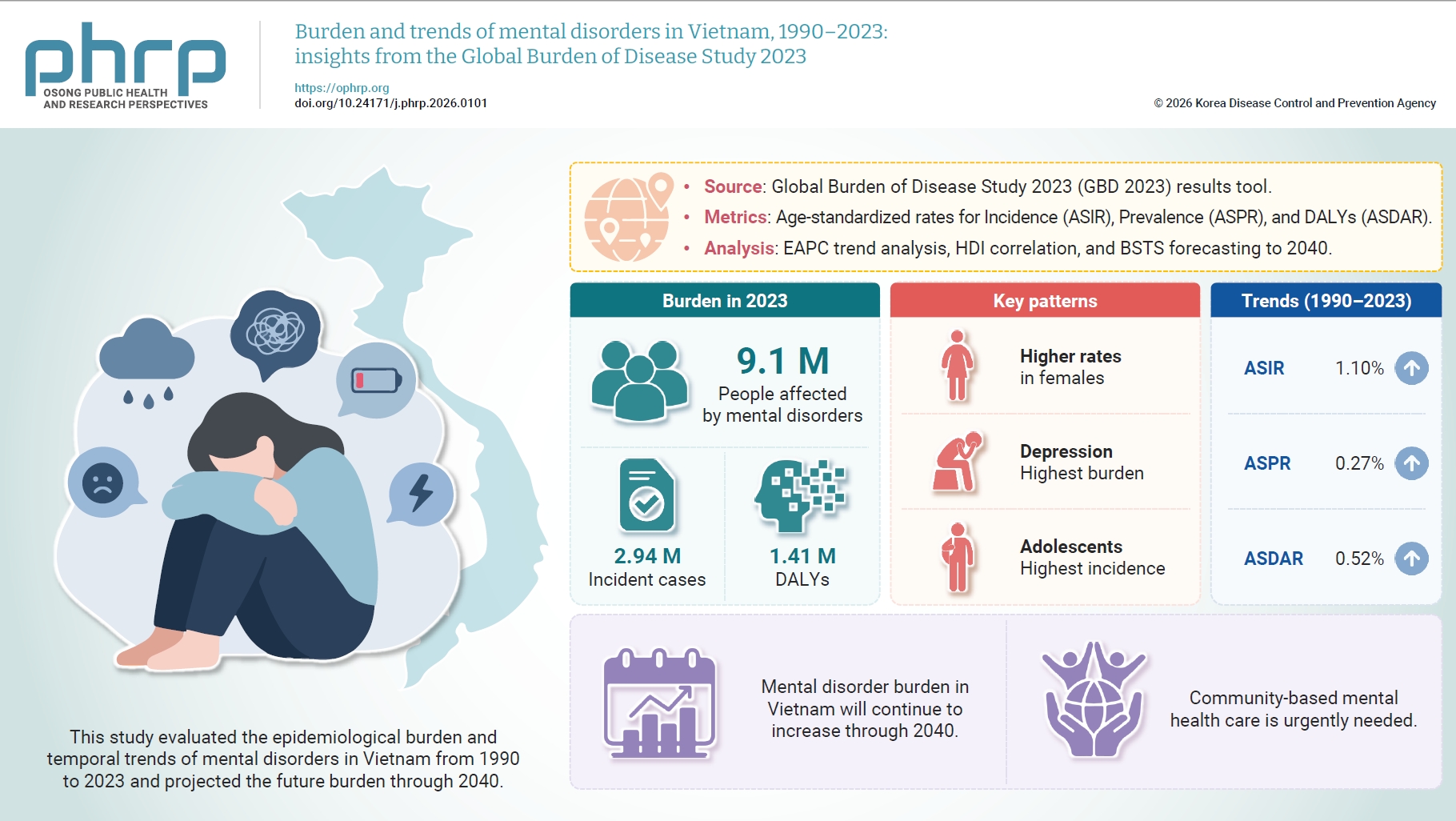
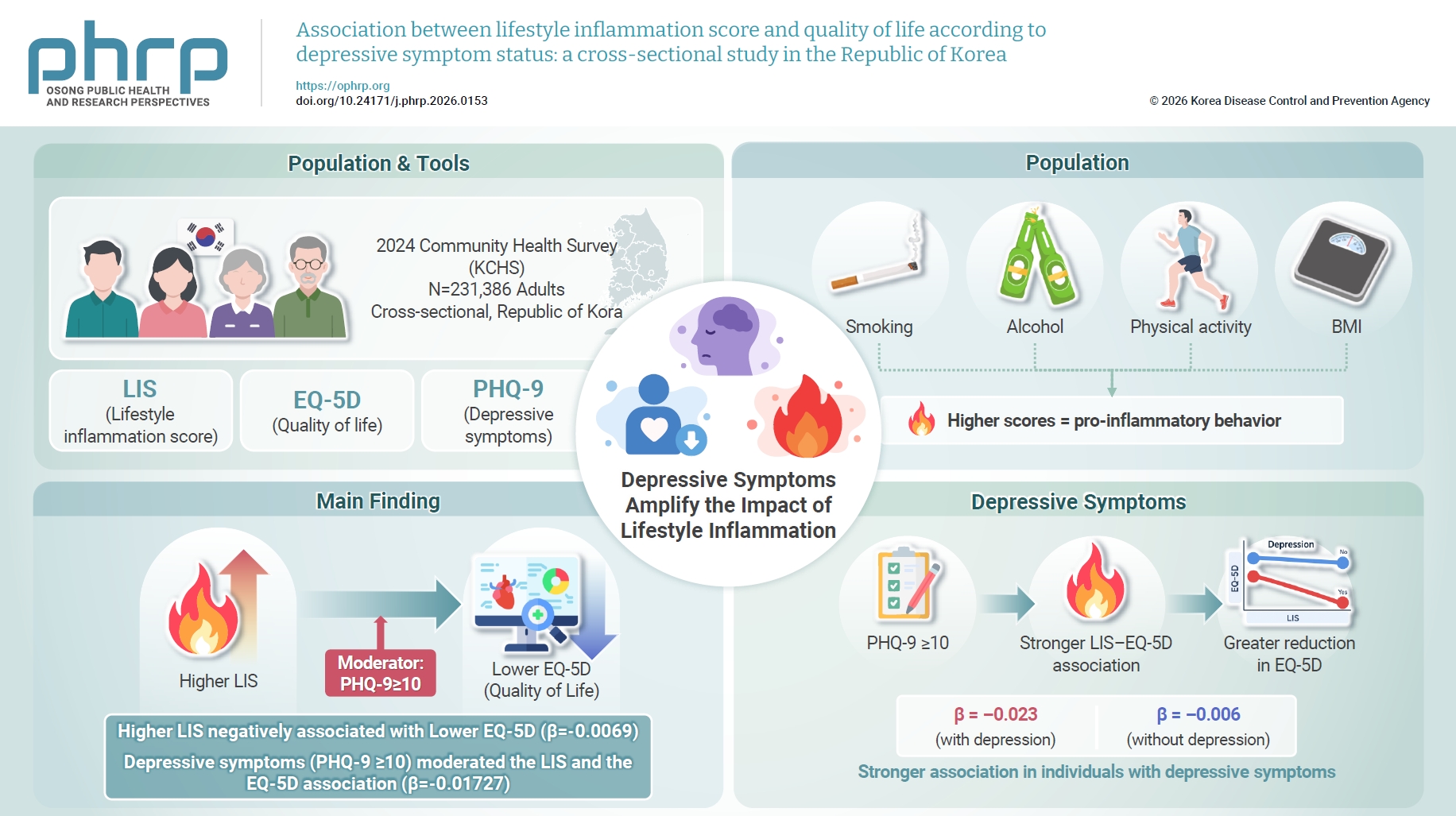
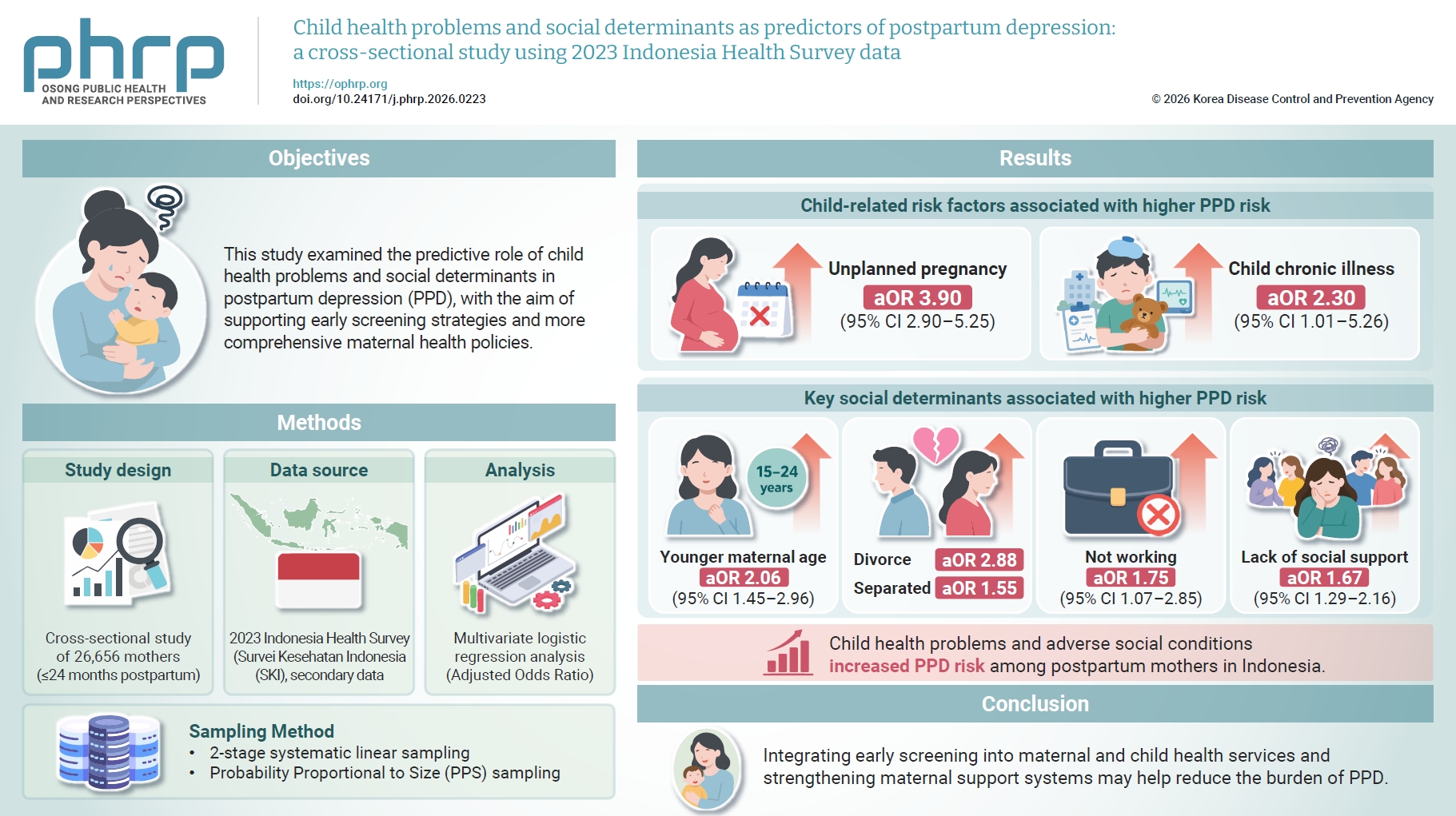


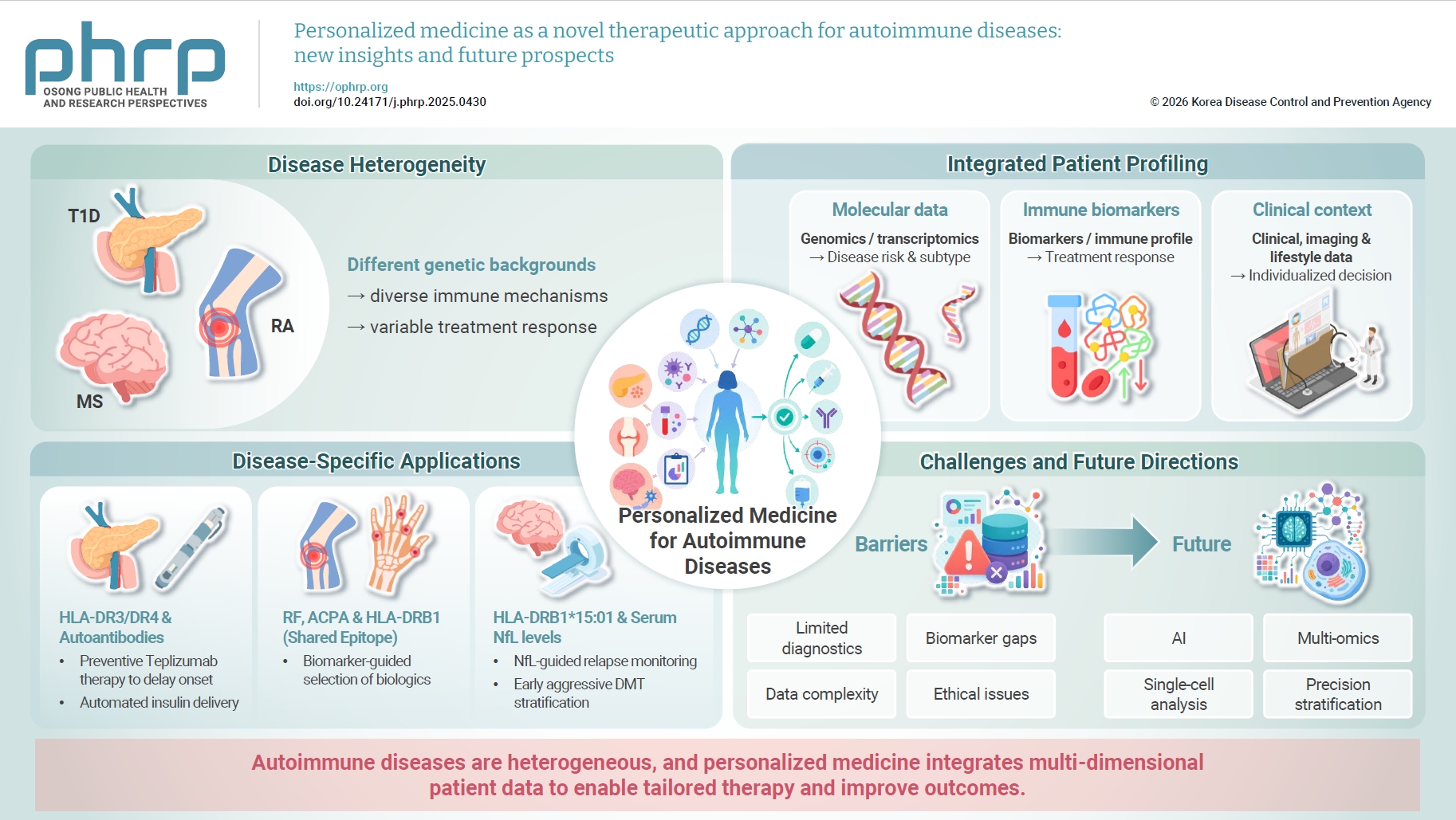
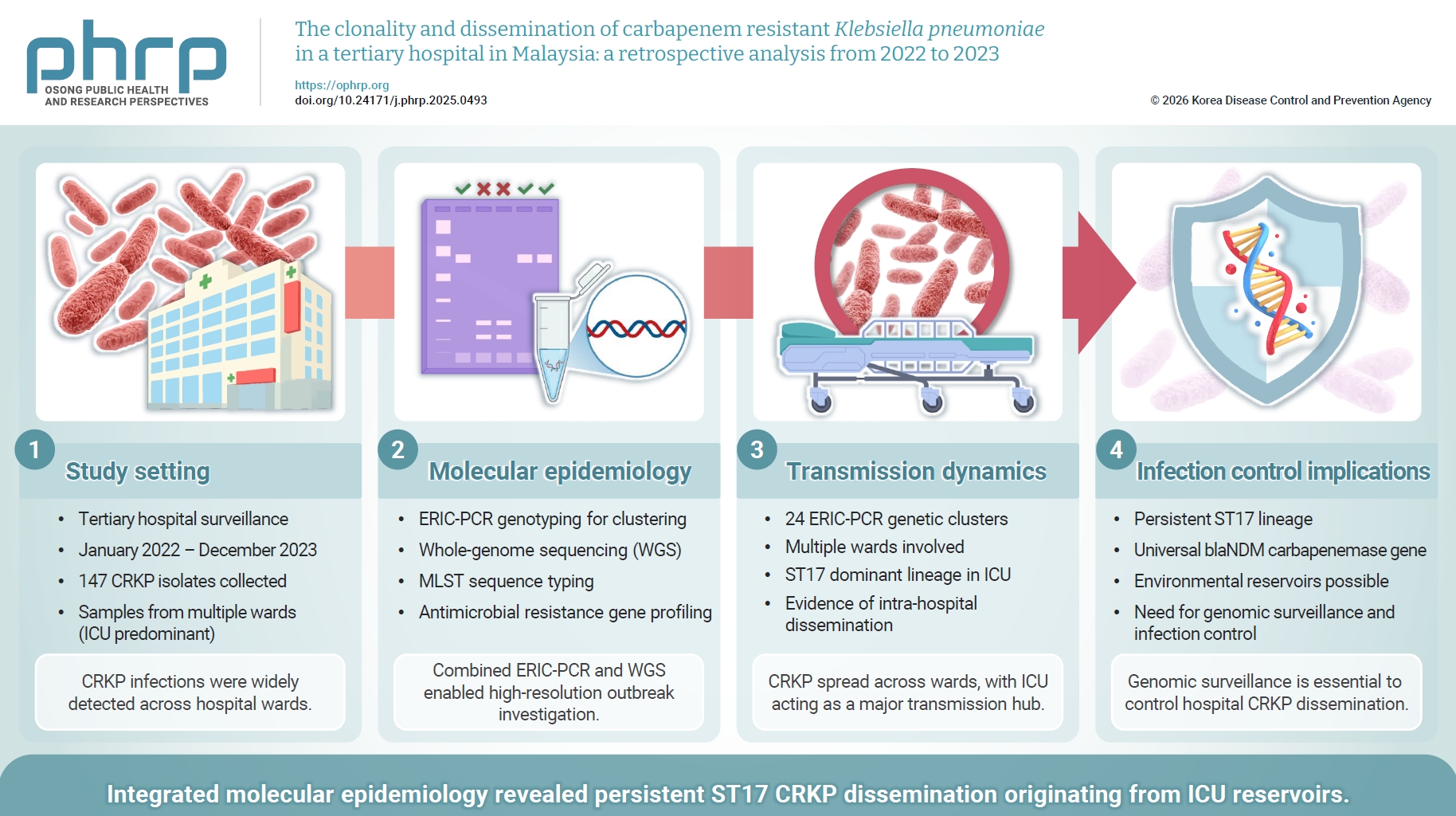


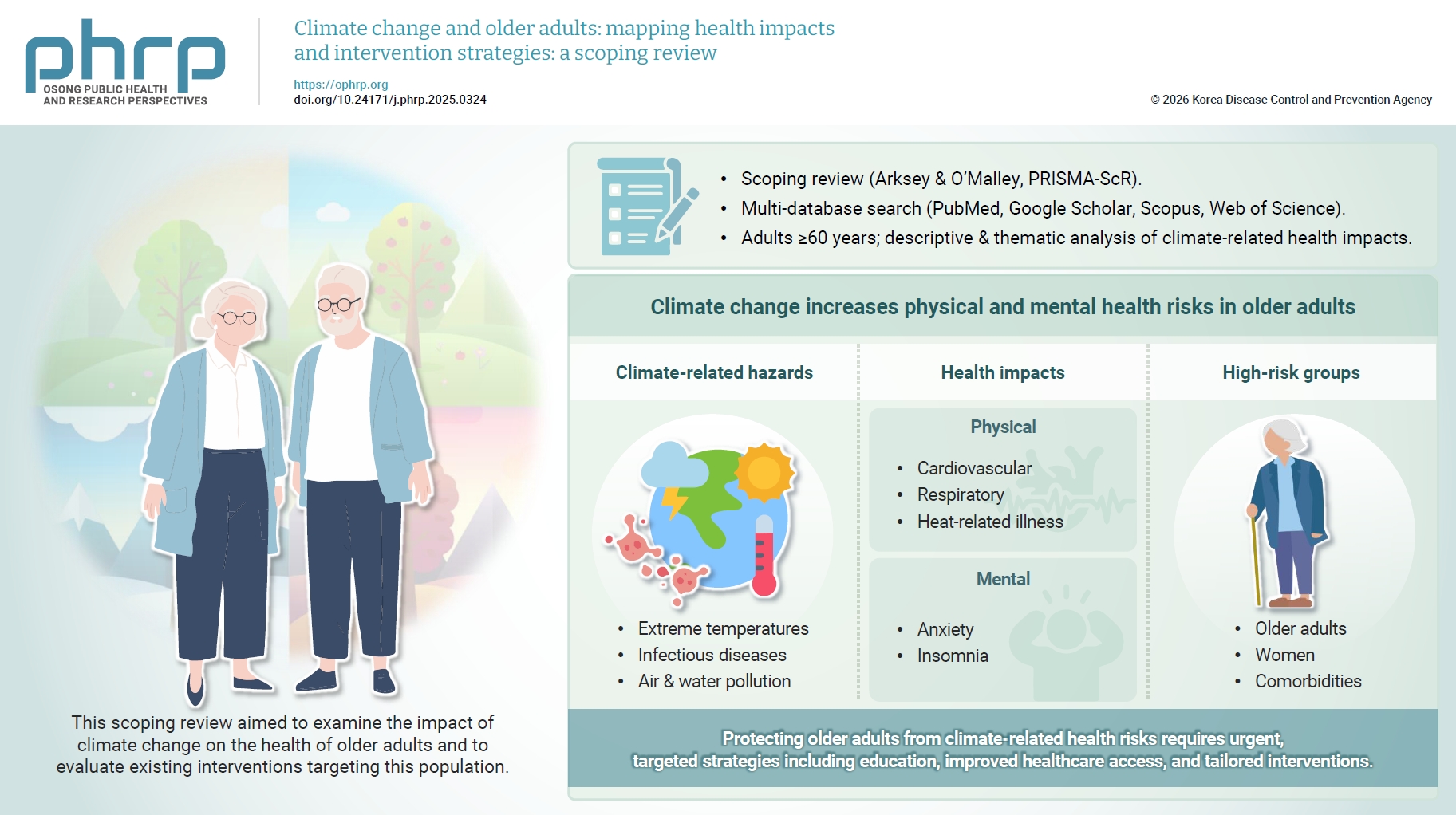


 First
 Prev


